Portage la Prairie, MB–Imagine that you are a five year old child. The government forcibly takes you away from your family and the only home you have ever known. You arrive at a place far away and are given a bath in unchanged water used to bathe other children. They spray you with DDT, saying it is to prevent lice. Then your hair, a symbol of strength and dignity is cut. If you choose to speak your language, you are beaten with a strap or burned with a hot iron. You are forced to worship a new god and told that your culture and ceremonies are evil and inferior and that you will burn in hell if you practice them. For more than 120 years, these were the policies of Indigenous boarding schools across Canada and the USA. The Indian wars had ended and they couldn’t kill all the Indians, but they could destroy their culture by assimilating the children.
“If the Great Sprit had desired me to be a white man, he would have made me so in the first place,” Sitting Bull, Hunkpapa Lakota leader.
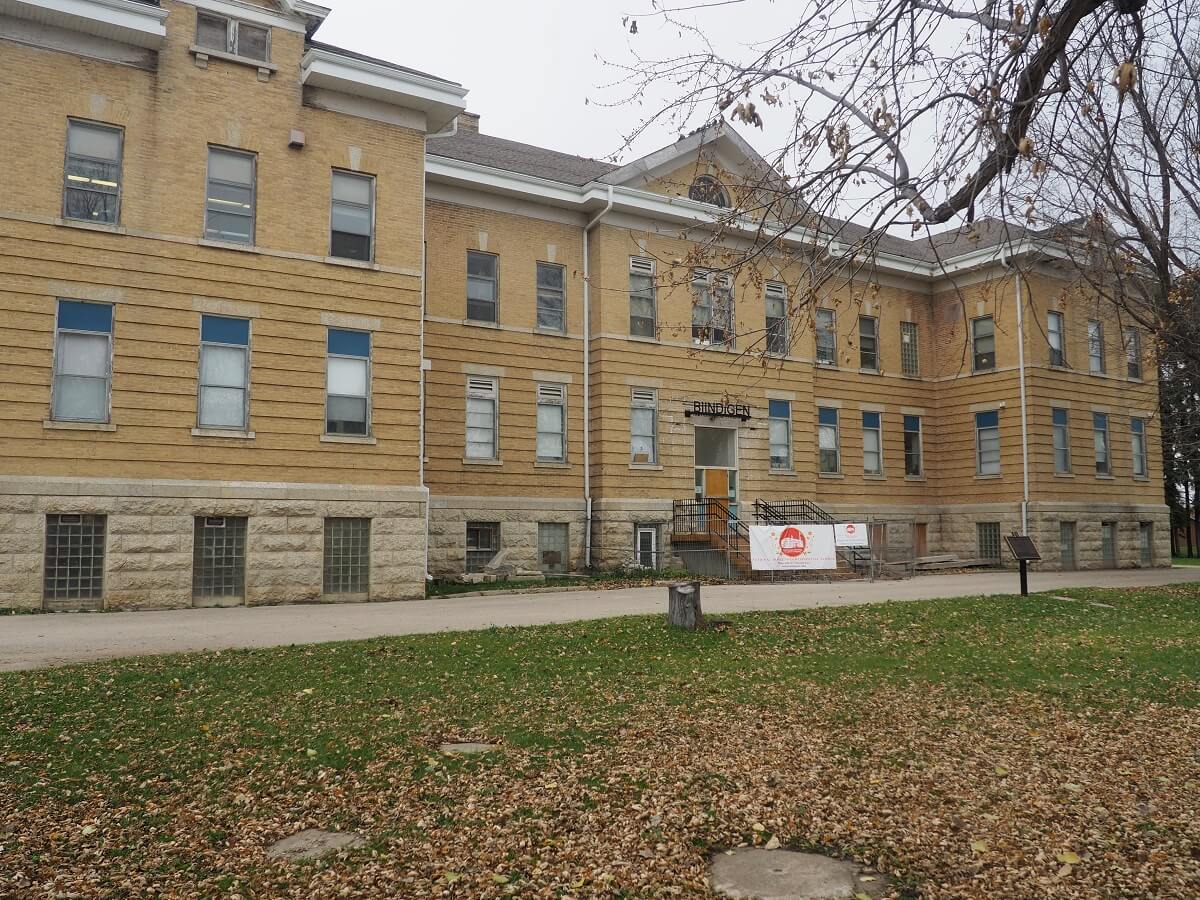
Located about an hour from Winnipeg on the reserve lands of the Long Plain First Nation is the National Indigenous Residential School Museum of Canada. The museum is the former site of the Portage Indian Residential School. It was one of 130 boarding schools across Canada where indigenous children came to be assimilated and converted to Christianity. Attendance was mandatory and parents who refused to send their children could be arrested for violating truancy laws. The schools were run by the Canadian government and the churches of which more than sixty percent were Catholic.
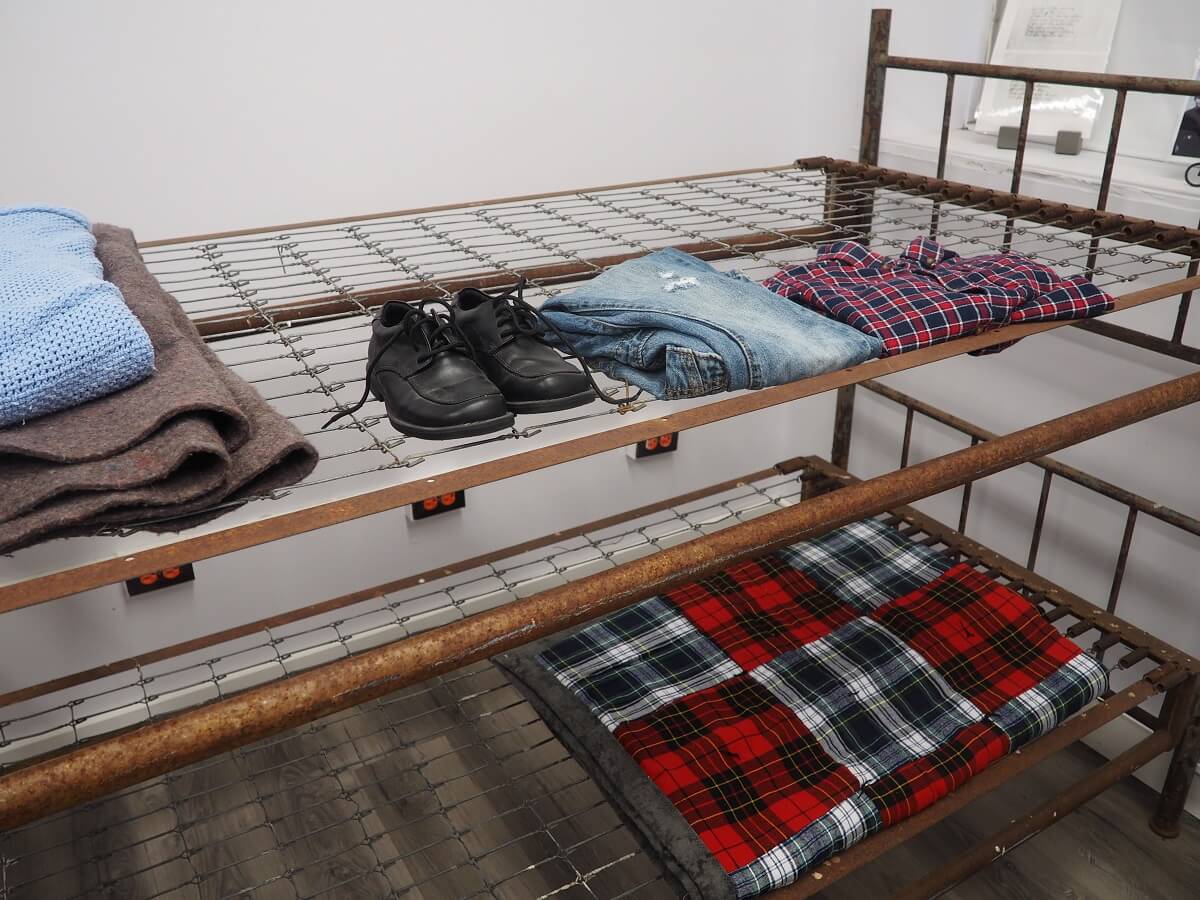
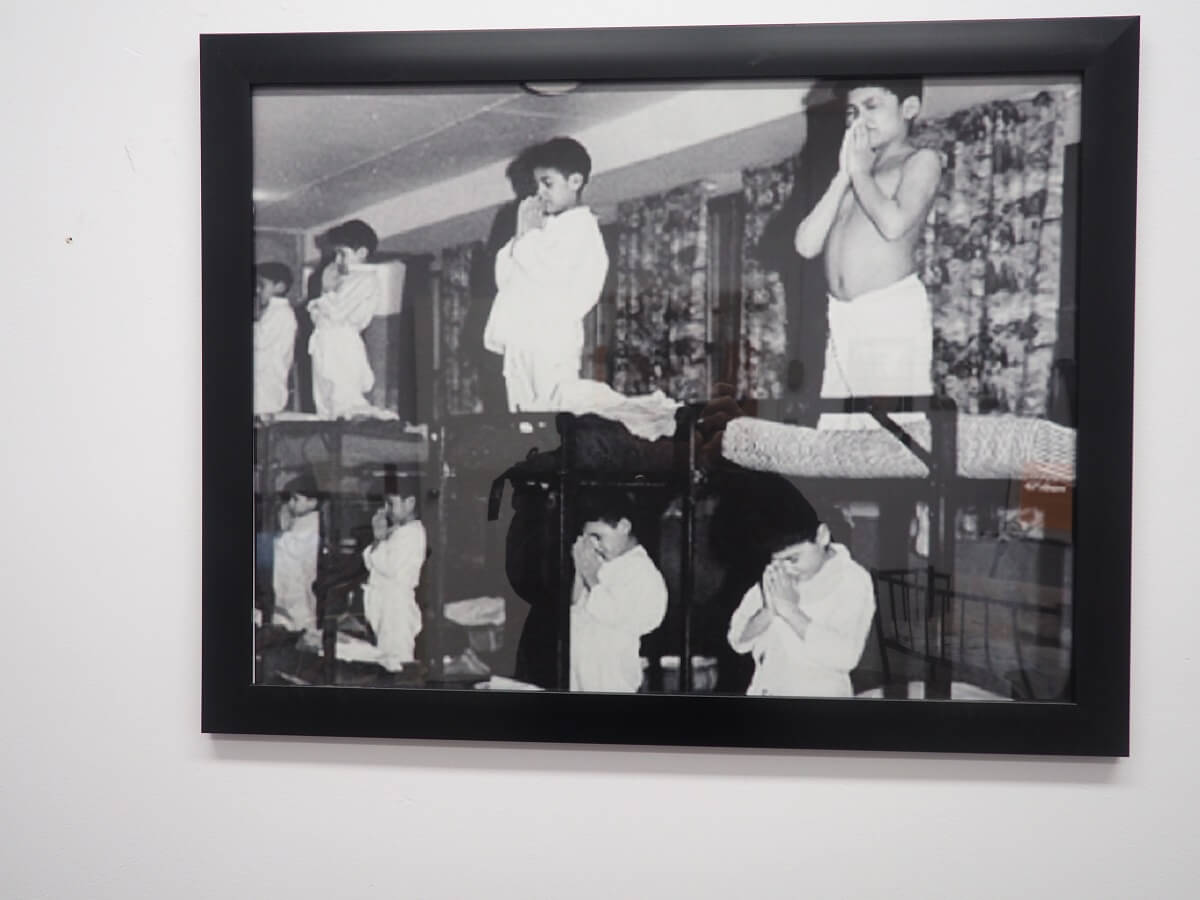
Some of the adults that staffed the schools, included pedophiles and sadists. Many of the children became victims of physical, emotional and sexual abuse.
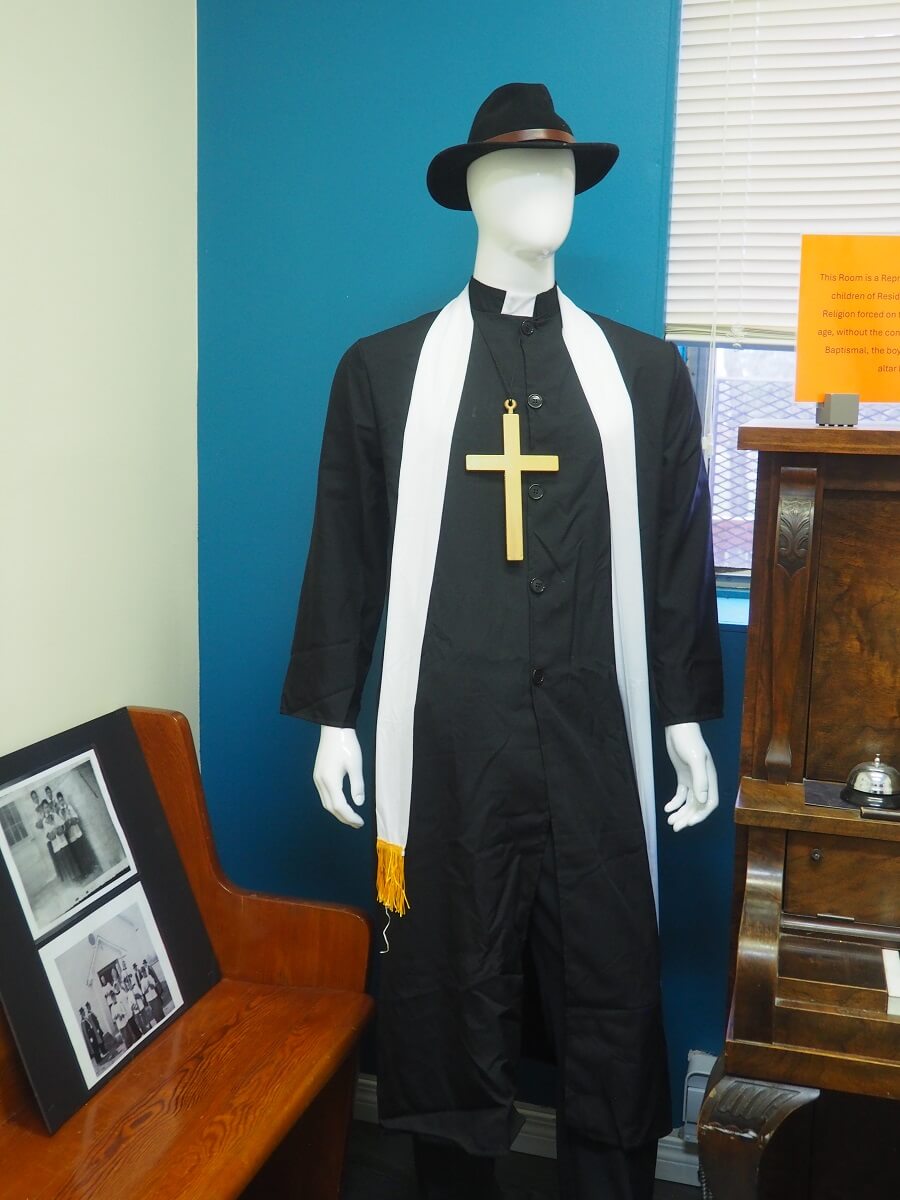
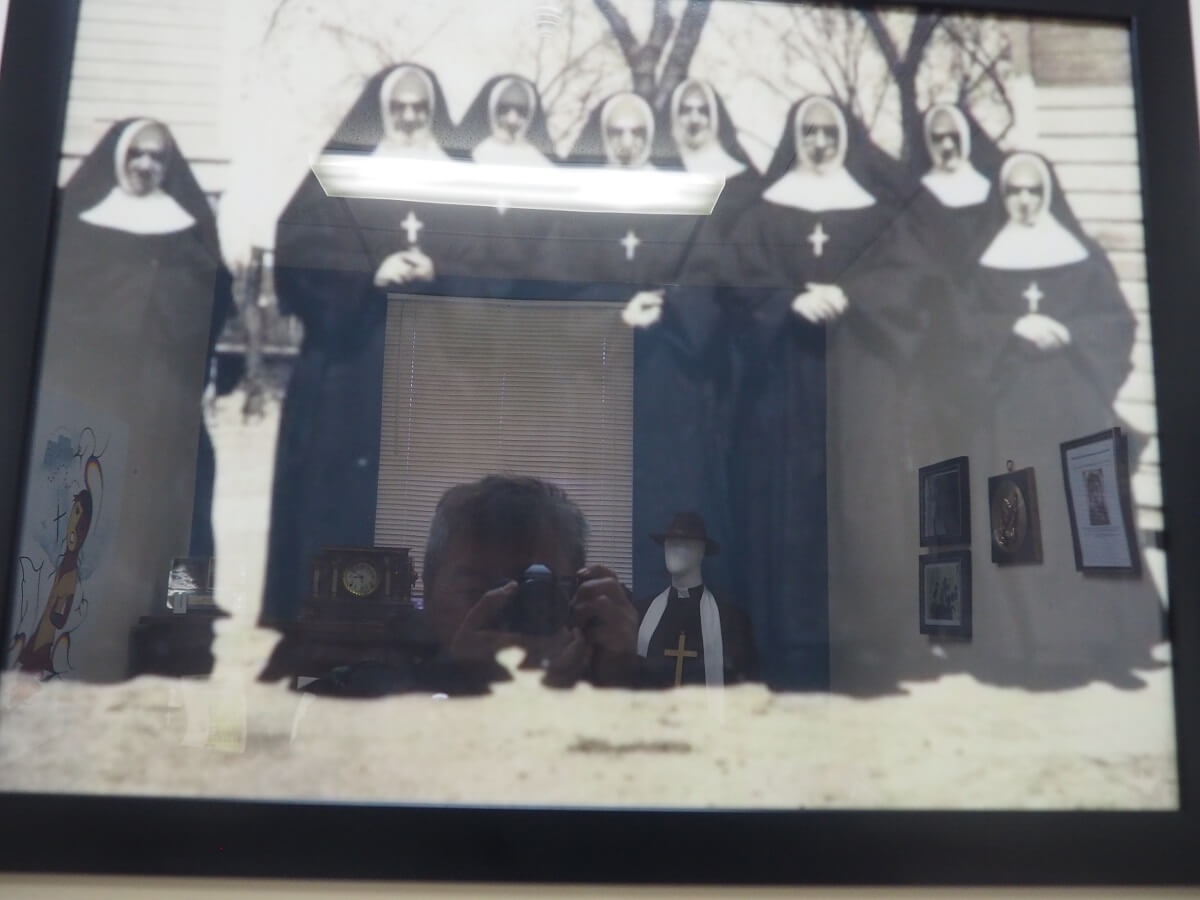
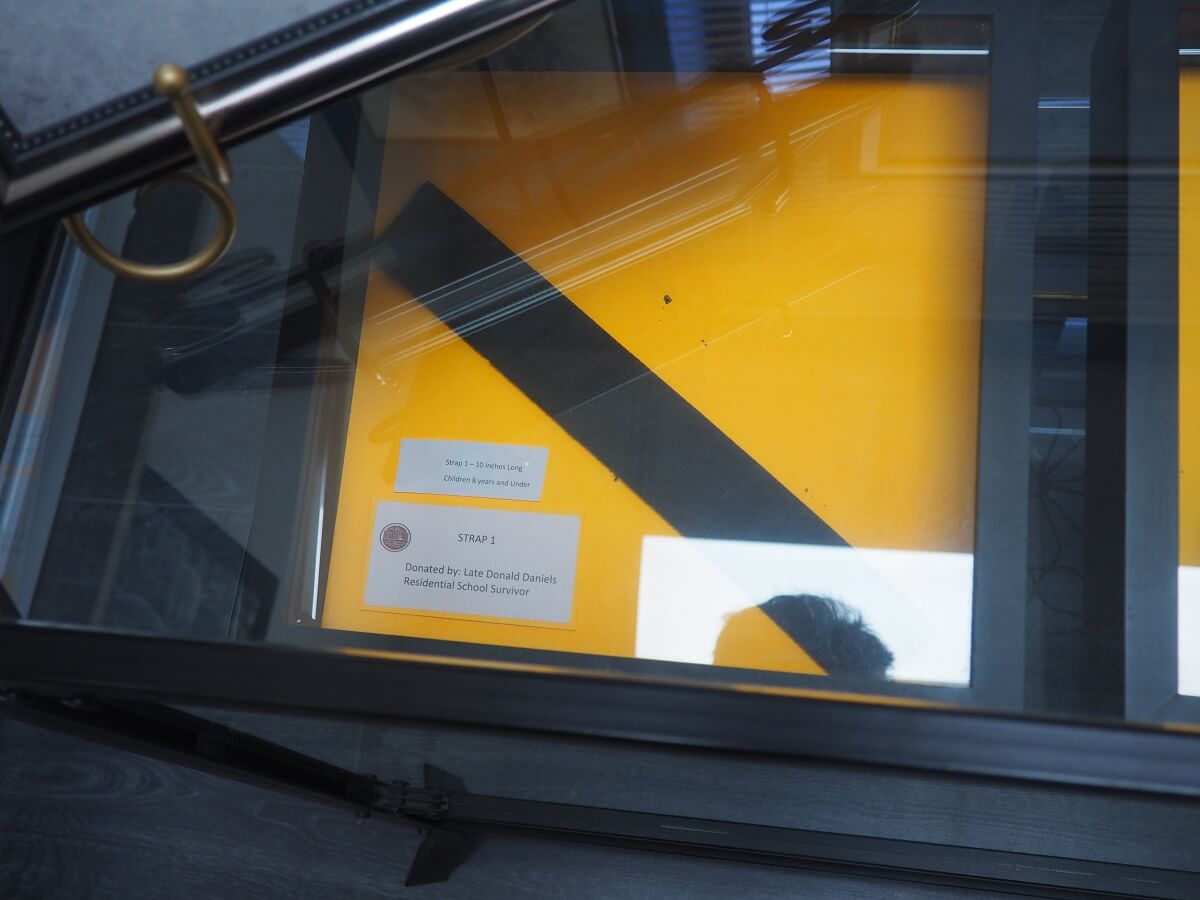
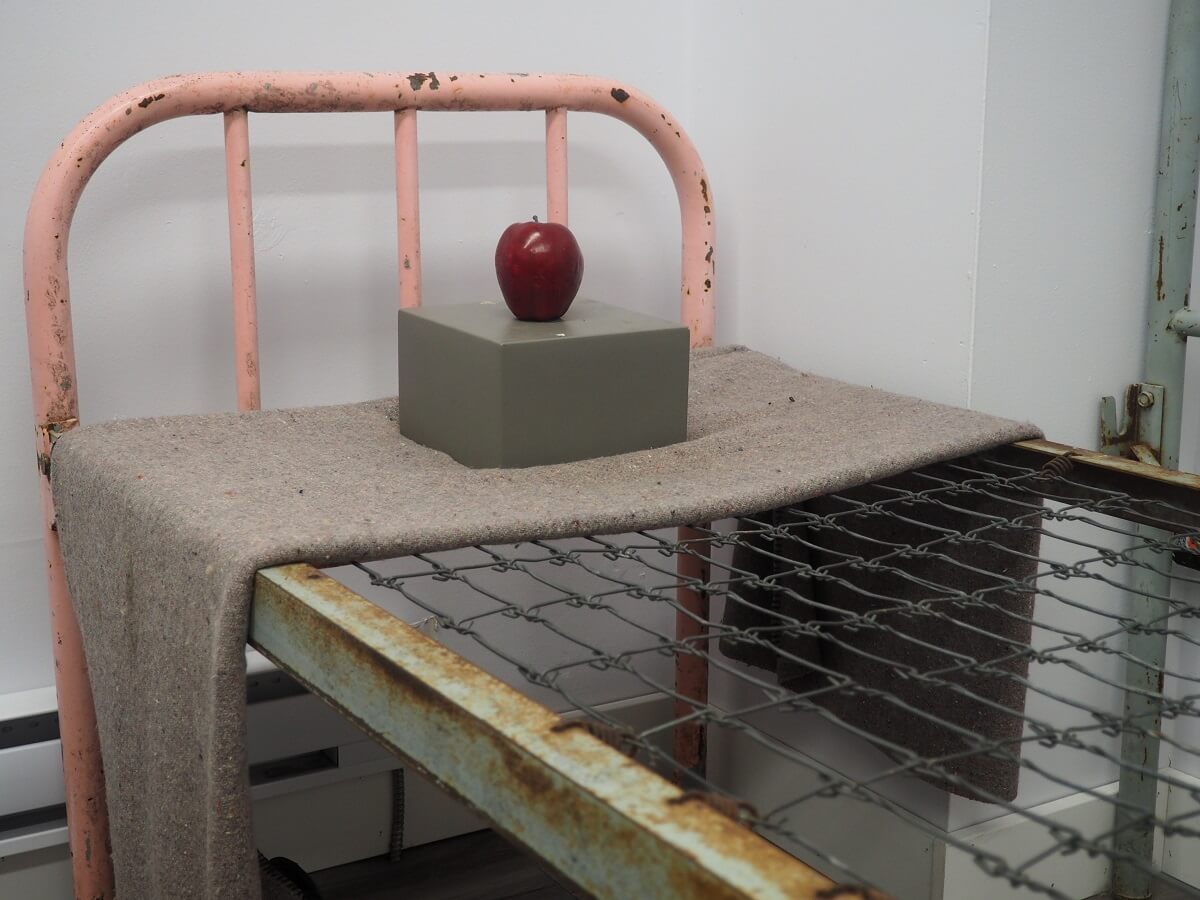
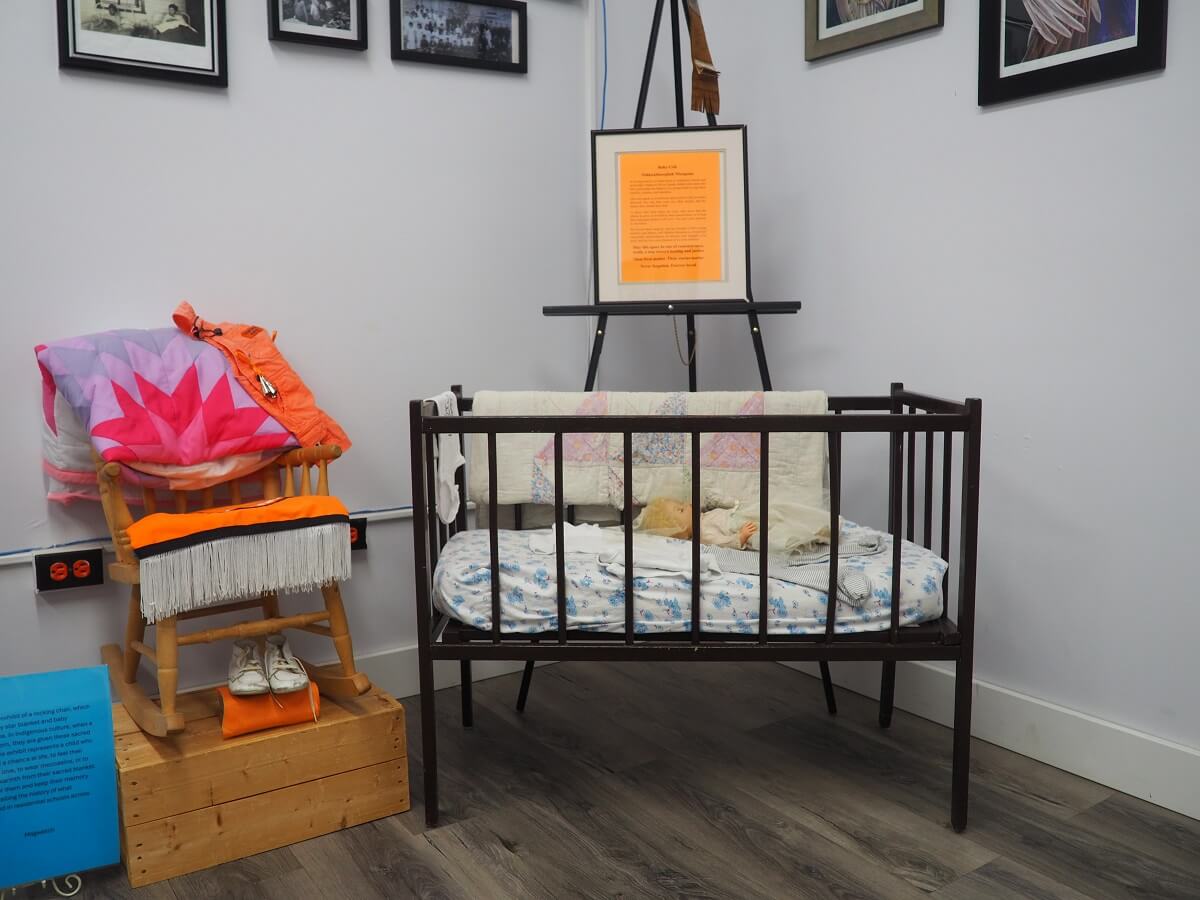
Many children resisted by choosing to run away. If they were caught they were beaten, forced to do hard labor or placed in solitary confinement. In addition to the abuse, the children were given poor quality food that made them sick and malnourished while the priests, nuns and other staff dined on meat and vegetables. Many children died from diseases like measles, influenza and tuberculosis. They were diagnosed and treated by people with little or no medical training. Those that died were buried in unmarked graves. School authorities gave their families vague explanations for their deaths or told them that their children had run away and vanished. The Canadian government estimates that 4100 children died during the time of boarding schools, but some believe it was more than 10,000. The chances of dying in a boarding school were greater than dying on the battlefield during World War II.
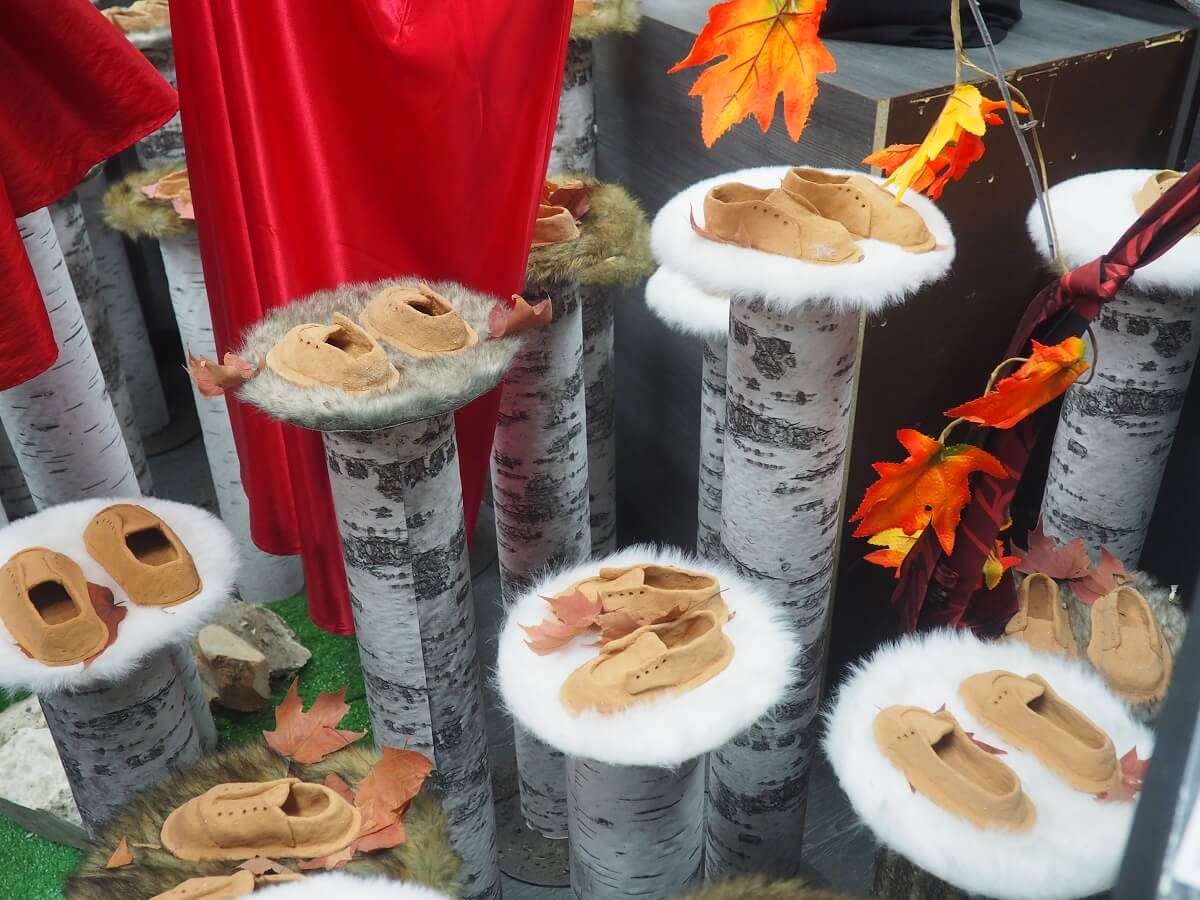
The education the students at boarding schools received was not the best. Instead of math and science, girls were taught home economics and domestic chores. Boys were taught trades and agriculture. They were often sent to work in local fields and farms as cheap labor. They were not even allowed to eat the crops they helped to harvest. Those were sold by the schools for a profit.
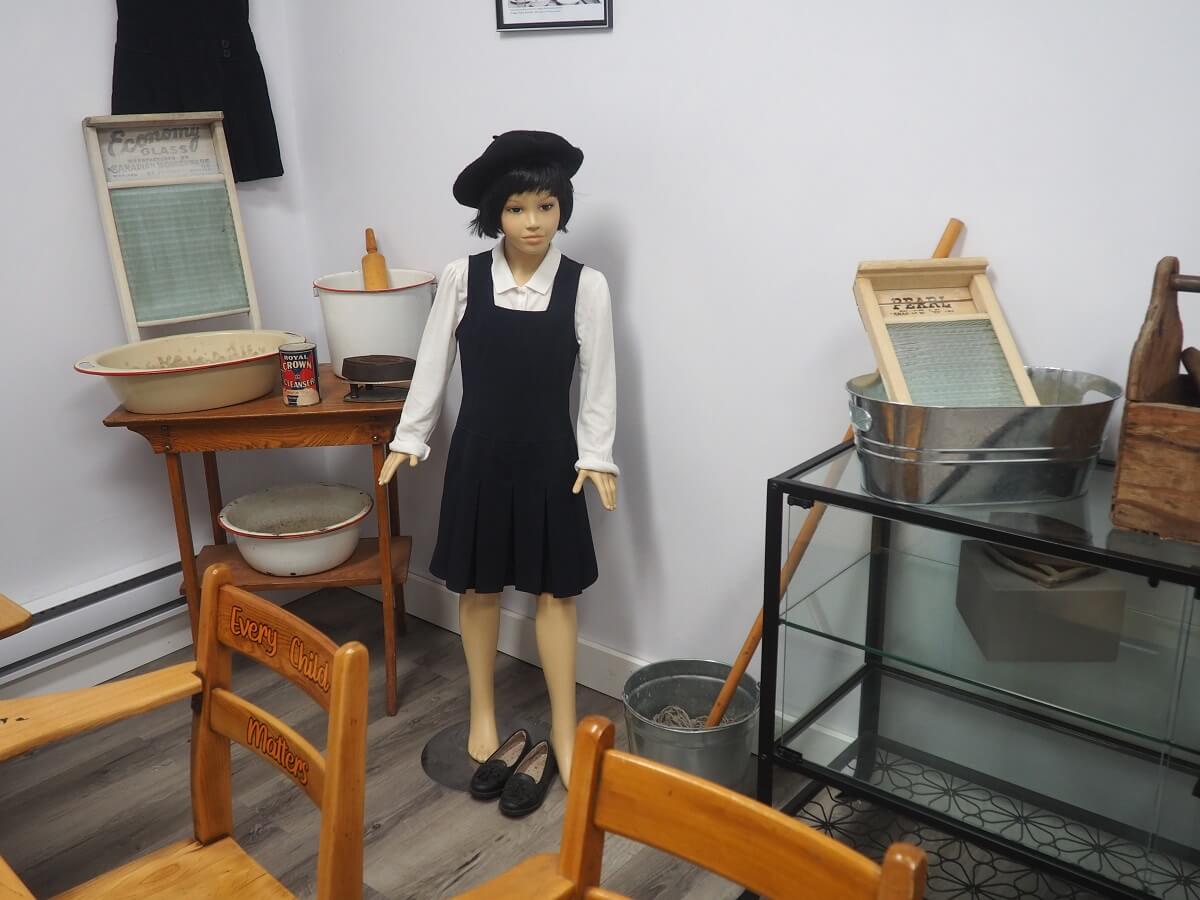
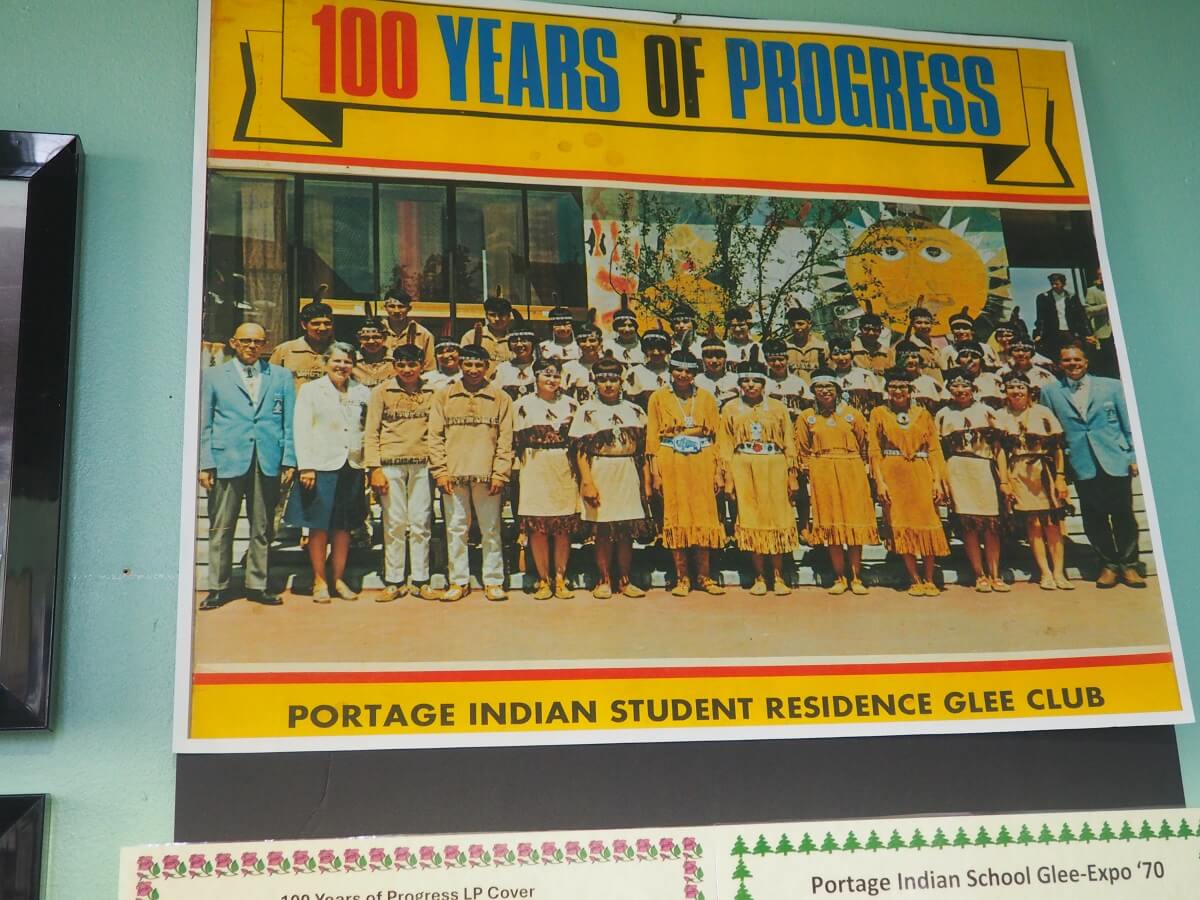
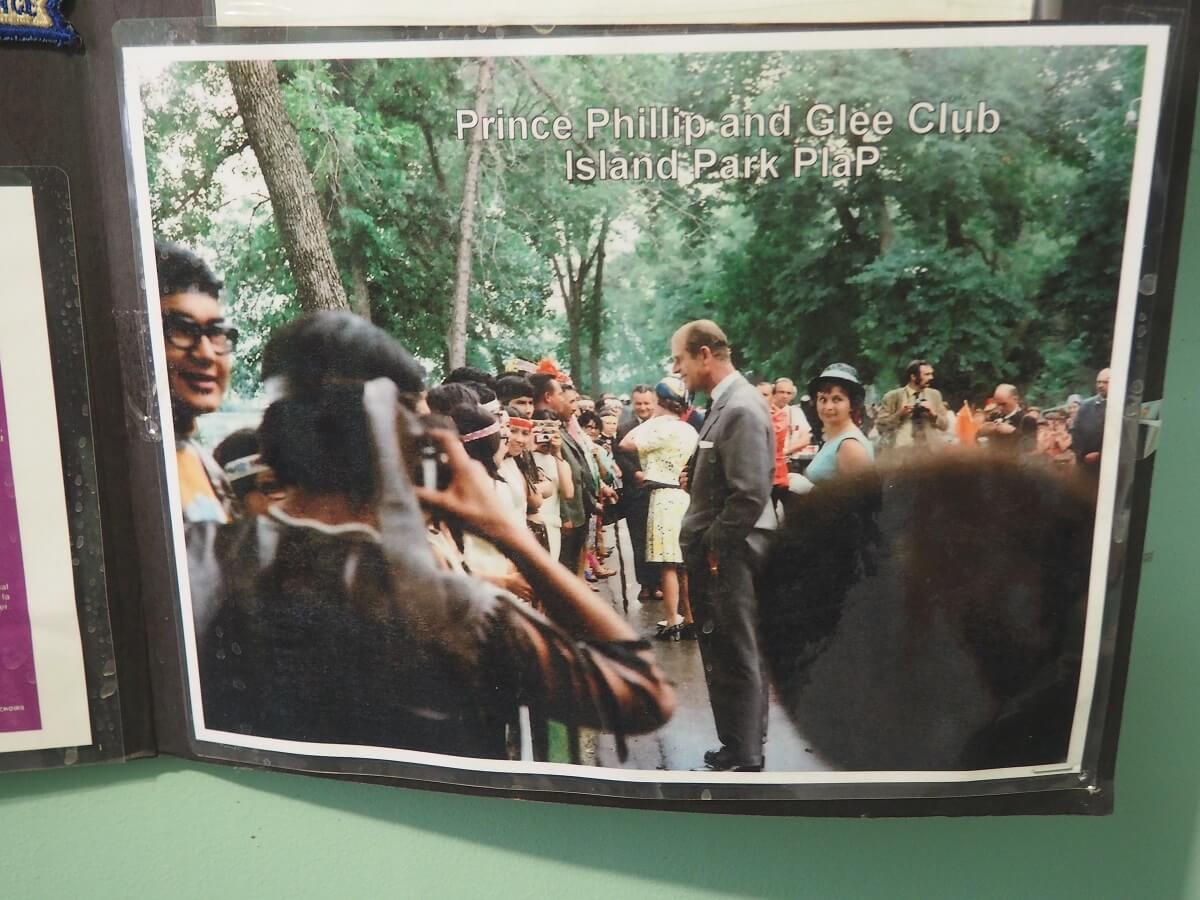
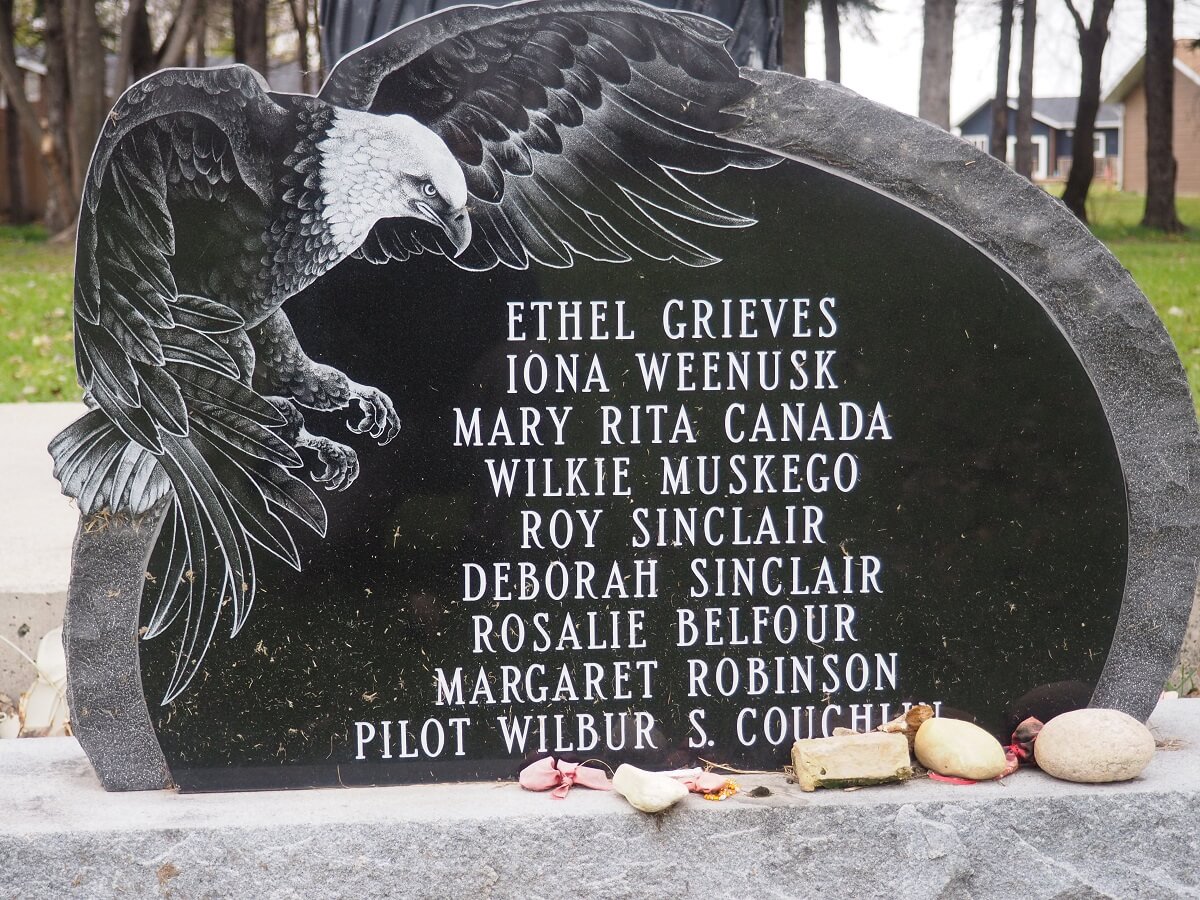
The civil rights movements of the 1960’s led to changes for many indigenous and First Nations People. The Portage Indian Residential School was closed on June 30, 1975. The last federally funded indigenous boarding school in Canada was closed in 1996. Survivors of the abuse from the boarding school system have dealt with alcohol, substance abuse, suicide and mental health issues. Their scars have been passed down to their children. Today 90 percent of the children in foster homes in the Province of Manitoba are indigenous. From 2008 to 2015, The Truth and Reconciliation Commission of Canada, collected testimony from more than 6500 survivors. It concluded that the schools were a system of cultural genocide and issued calls to action in order to foster reconciliation. In 2008 then Prime Minister Stephen Harper apologized for Canada’s role the boarding school system. In 2020 the Portage Indian Residential School was declared a national historic site. In 2021 the remains of 215 children were discovered in an unmarked grave near the former site of the Kamloops Indian Residential School in British Columbia. For several decades, First Nations people of Canada had asked the Vatican for an admission of guilt. In 2022 Pope Francis apologized for the Catholic Church’s role in the boarding school system.
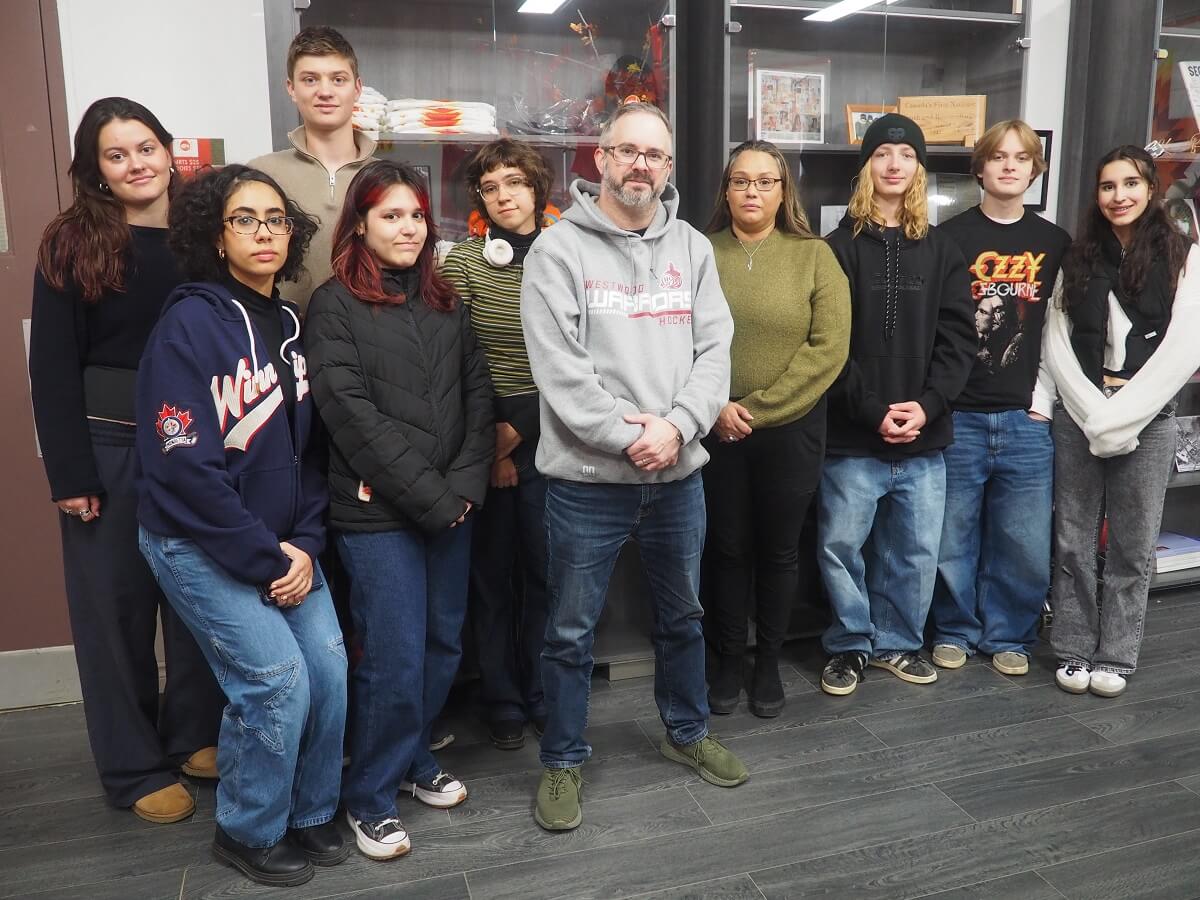
When I visited the museum in November of 2025, a group of Manitoba high school students were also visiting. Some of the students became emotional and openly wept when they learned the stories of what happened to the indigenous students here. I thanked them for visiting and told them how much I appreciated that they were learning this history. I also shared with them how in the United States that there are some people who currently are trying to erase this history and ban books about it. Although Canada has tried to make some amends for its past, their boarding schools were modeled after those in the United States where more than 400 indigenous boarding schools, across 37 states existed. Many Americans do not know the story of these schools and the harmful effects they had on indigenous and Native Americans. We don’t need a glorified version of history. We need to know the true story. History is hard sometimes, but if we don’t learn from the past, then we are doomed to repeat its mistakes.
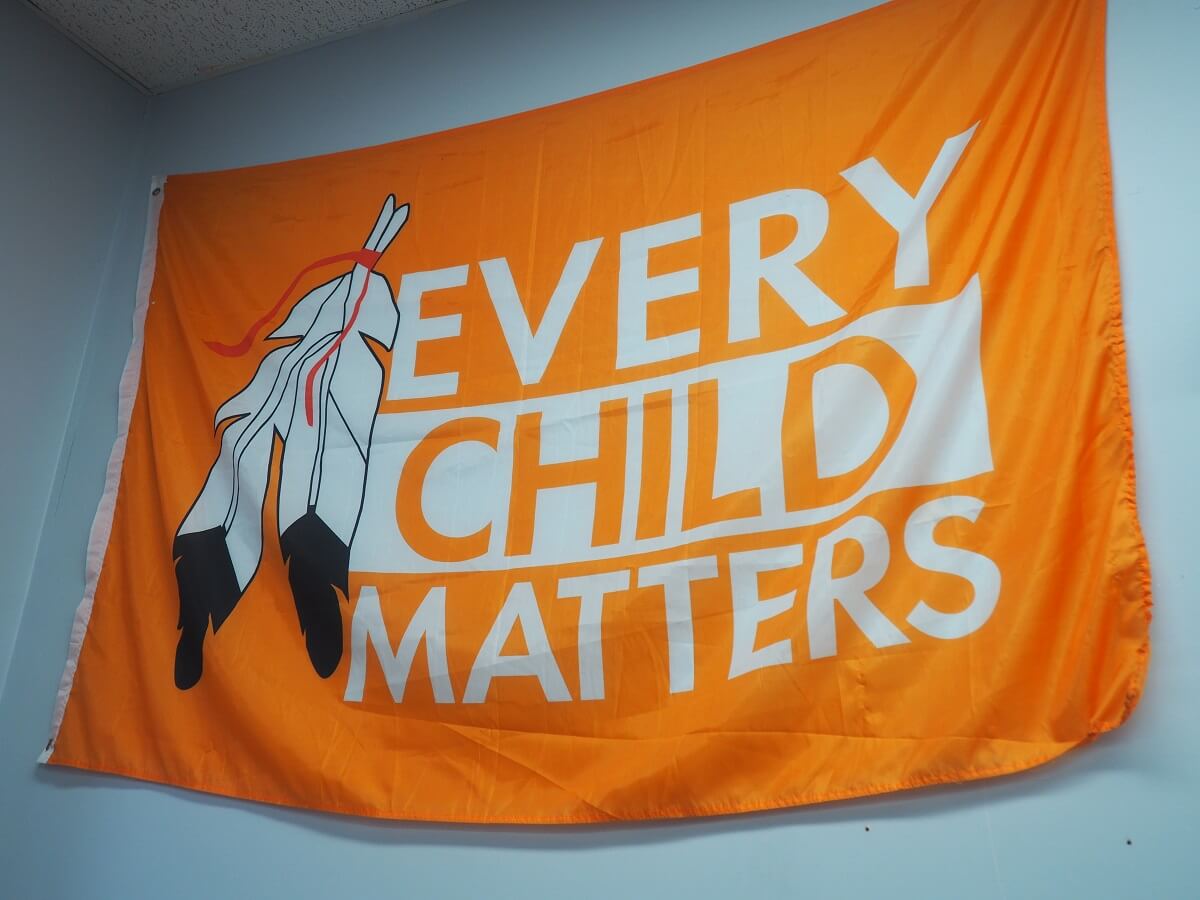
To visit the museum or learn more about indigenous boarding schools: https://nirsmuseum.ca/
Suggested reading: The Plot Against Native America, by Bill Vaughn.

0 Comments